

WHEN THE CALL IS COMING FROM INSIDE THE HOUSE: BLACK SEXUALITY, INTERNALIZED HOMOPHOBIA, AND HARM
It’s not a joke when laughter comes at the cost of lives. Homophobia within the Black community is often minimized or dismissed altogether. For Black LGBTQ people, especially Black queer men and gender nonconforming individuals, homophobia is not occasional, theoretical, or comedy. It shows up in everyday conversations, on social media, and in the expectations placed on how Black people are supposed to act, speak, and exist. The casual use of homophobic slurs, often defended as humorous or as something that is “not that serious,” alongside strict policing of masculinity, continues to put Black LGBTQ people at risk. While Black sexuality has long been shaped by non-Black surveillance and racism, harm is also produced within the community when homophobia is left unchallenged.
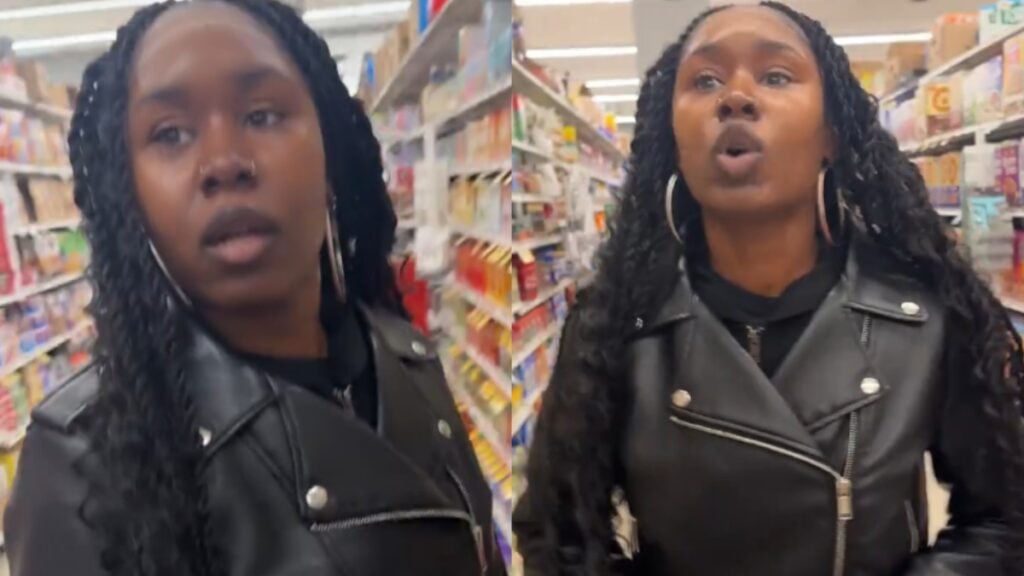
Language plays a powerful role in shaping how people understand one another. Words do more than describe, they signal who is valued and who is not. When dismissive or derogatory language about queer people becomes normal in Black spaces, it sends the message that queerness is something shameful or embarrassing. This is especially clear on social media, especially tiktok, where language created by Black LGBTQ individuals (like p*nk), is now being weaponized to use against these individuals and being defended as humor or cultural expression while Black men are simply expressing themselves. Even when people insist they are “just joking,” that language reinforces ideas that make Black LGBTQ people visible as stereotypes but invisible when it comes to protection and care.

To understand where this comes from, it is important to look at respectability politics. Historian Evelyn Brooks Higginbotham explains respectability politics as a strategy Black communities developed to counter racist ideas that framed Black people as immoral or dangerous. By emphasizing “proper behavior” and “morality,” communities sought safety and dignity in a hostile society. While this strategy made sense as a form of survival, it also created strict boundaries around what was considered acceptable. Within this framework, queerness and gender nonconformity were often treated as threats to the community’s image. Homophobia then became framed not as harm, but as a way of correcting or disciplining behavior.
This is especially visible in how Black masculinity is policed. Masculinity in Black communities is often expected to be strong, dominant, heterosexual, and emotionally reserved. When Black men express any sort of femininity through their clothing, voice, or emotions, they are frequently mocked or labeled as gay, regardless of their actual identity. I would even say that displaying anything that isn't within the patriarchally accepted gender roles is labeled as gay. Sociologist C. J. Pascoe argues that homophobic language among men is often less about sexuality and more about enforcing ideas of dominance and masculinity. In Black communities, where masculinity is already shaped by racist stereotypes based on societal pressures, this pressure becomes even more intense and damaging.
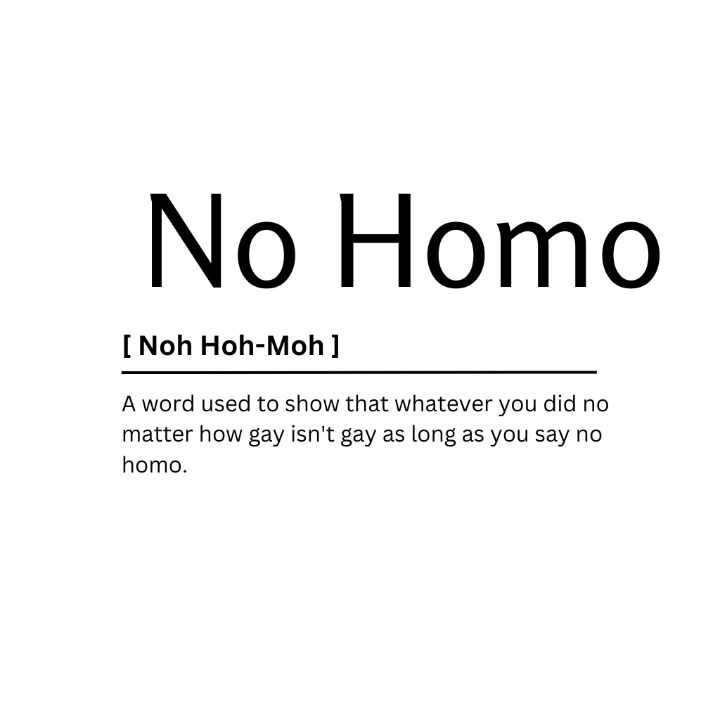
The impact of these attitudes is not just cultural. It has real consequences for people’s lives. Black LGBTQ individuals experience higher rates of violence, housing insecurity, and mental health struggles than their heterosexual peers. According to the Centers for Disease Control and Prevention, LGBTQ youth, particularly youth of color, report significantly higher rates of depression and suicide attempts. Reports from the Human Rights Campaign also show that environments where anti LGBTQ language is common are more likely to excuse or normalize violence against queer and transgender people. When slurs and stereotypes are treated as harmless, they create conditions where torment feels acceptable.
What makes this situation especially harmful is how often it is dismissed. When people defend slurs as jokes or cultural habits, they avoid taking responsibility for the impact of their words. This dismissal allows individuals to distance themselves from violence while sometimes subconsciously contributing to a culture that makes that violence possible. The real issue is when we are met with people who are unwilling to learn from their behaviors. Political scientist Cathy J. Cohen argues that when the most vulnerable members of a community are ignored or sacrificed, oppression is not challenged but repeated. In this way, silence becomes a form of participation, ultimately repeating a cycle.
Ignoring homophobia is not being neutral. It is choosing not to intervene, which in turn is contributing. Language shapes norms, and norms shape behavior. When harmful language is allowed to continue without challenge, it helps maintain the same systems of control and exclusion that Black communities have long fought against. Liberation cannot exist in spaces where harm is constantly minimized or excused.
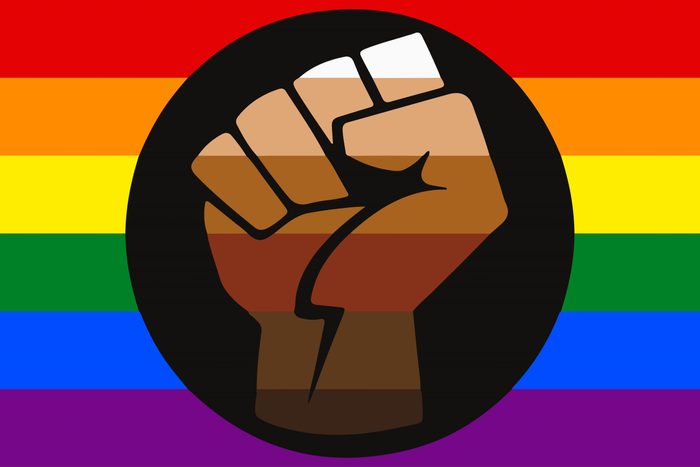
Real growth requires honesty. It means questioning how masculinity is defined, recognizing how language can function as violence, and being willing to listen when people say they are being hurt. Protecting Black LGBTQ people is not separate from racial justice. It is part of it. A vision of freedom that leaves queer and gender nonconforming people unprotected is incomplete. Until Black communities are willing to confront the harm happening within their own spaces, liberation will remain something sought after but not fully attained.
Sincerely,
Gabrielle Gaffney
BA, Psychology
Women's Activist
Work Cited
Cohen, Cathy J. The Boundaries of Blackness: AIDS and the Breakdown of Black Politics. University of Chicago Press, 1999.
Centers for Disease Control and Prevention. Youth Risk Behavior Survey Data Summary & Trends Report. CDC, 2022, www.cdc.gov/healthyyouth/data/yrbs
Higginbotham, Evelyn Brooks. Righteous Discontent: The Women’s Movement in the Black Baptist Church, 1880–1920. Harvard University Press, 1993.
Human Rights Campaign. Violence Against the LGBTQ+ Community in the United States. Human Rights Campaign, 2023, www.hrc.org/resources/violence-against-the-lgbtq-community-in-the-united-states
Pascoe, C. J. Dude, You’re a Fag: Masculinity and Sexuality in High School. University of California Press, 2007.
2 comments
Your piece on Black sexuality and internalized homophobia was incredibly insightful. It pushed me to reflect on my own assumptions, especially the ways I sometimes “police masculinity” without realizing it. Thank you for offering such a nuanced perspective, it genuinely broadened my understanding.
Super freaking dope!!!!!