

IT MUST BE THE SHOES: HOW SNEAKER BRANDS LEANED IN TO BLACK TALENT EARLIER THAN EVER
Prior to the NIL era, obtaining a sneaker deal from a major apparel brand such as Nike, Adidas, Under Armour, or Reebok as a high school or even a collegiate basketball player was a tall feat; you had to be special. Historically, Scholars note that sneaker brands’ marketing success over the past four decades has been closely tied to black cultural expression and athlete influence, with Michael Jordan’s impact on youth and fashion identity in the 1980s cited as a key example (Boyce, 2021). As a diehard hoops fan who grew up in the early 2000s, I can say there are two basketball players who laid the foundation for what we now know as NIL sneaker deals for highly touted high school basketball talent.
Two High School Stars Who Redefined Early Sneaker Visibility
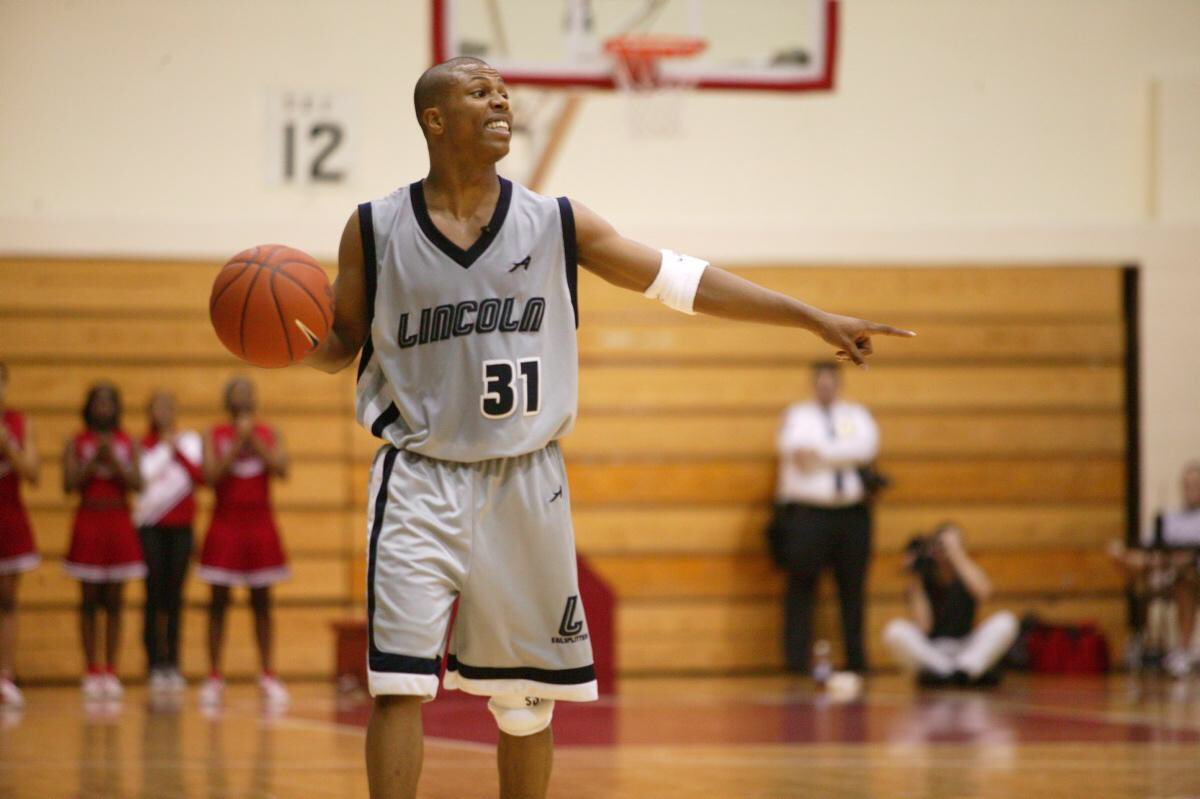
Building on this foundation, two athletes exemplified this path: LeBron James from Akron, Ohio, and Sebastian Telfair from Brooklyn, New York. James attended St. Vincent-St. Mary High School, while Telfair went to storied Abraham Lincoln High School. Both dominated high school basketball. Telfair left Lincoln as New York State’s all-time leading scorer and won three PSAL titles from 2002-2004, and James earned three state championships from 2000-2003. They are also part of a special fraternity of players who went directly from high school to the NBA, with James going number one to the Cleveland Cavaliers in 2003 and Telfair to the Portland Trail Blazers at pick thirteen in 2004.
Adidas and the Early Pipeline to Basketball Stardom
Their prominence extended beyond the court. Both of their high school basketball teams were sponsored by Adidas. So every time you turned on ESPN to watch James or Telfair, you were watching, in essence, a moving billboard for Adidas basketball. Both of these guys, during their high school days, had what young kids today call “aura”. It was put on full display when they both graced the cover of SLAM Magazine, wearing their Adidas high school-sponsored jerseys and headbands. Their relationships with the three stripes grew out of their attendance at the ABCD camp, which was Adidas’ premier high school basketball camp. It is there that Adidas evaluates top talent and identifies whom they want to align with.
Why Brands Invested in the Narrative as Much as the Talent
This strategic sponsorship was about more than just talent on the court. As much as Adidas may have been interested in their pro potential, they saw a tremendous marketing opportunity. An opportunity to align their brand with their come-up story of how they were able to use their gifts, in this case being talented at basketball, as a way to come up out of poverty. With Sebastian growing up in the Surfside Garden projects and LeBron Springhill Apartments in Akron, they fit the mold.
 Street Credibility as Brand Currency
Those stories, along with the marketability of athletes' personalities and overall makeup, translate into revenue. Sebastian signed a reported $20 million deal with Adidas after he was drafted. However, due to legal issues, Adidas severed ties with him and voided a multimillion-dollar check under the terms of their deal. In a VladTV interview, Telfair expressed that “Adidas was super bogus for that.” Telfair, in the same interview, said that what attracted Adidas to him was his street credibility, stemming from his documentary Through The Fire, which documented his day-to-day life and senior season at Lincoln. The most iconic scene from the documentary is Sebastian Telfair running up the staircases in the project building to build leg strength.
Sebastian’s relationship with adidas is a cautionary tale of how, when it comes to black athletes, there is an obsession with their personas and a tendency to stick by them when it is profitable, rather than when it looks bad for PR. Granted, I am not making excuses for Sebastian; he has held himself accountable. However, he was on Adidas’ payroll since middle school. The money for someone like himself, who was emerging from poverty, was a form of security. He even said that, given how long their relationship had lasted and how he was marketed from his years as an amateur to his years as a professional, the money should have been guaranteed. In spite of this calamity, Telfair continues to give back to his community and is an entrepreneur in his own right, utilizing the same mentality that shaped him in Coney Island.
LeBron James and the Business of Long-Term Leverage

LeBron’s transition to professional basketball followed a different arc. LeBron signed a reported $90 million contract with Nike when he turned pro. It wasn’t just any sneaker deal. Nike empowered the talent around him, including his childhood friend and high school teammate, Maverick Carter, who interned at the apparel brand to learn the business in greater detail. Both LeBron and Maverick are doing business at the highest level and have even named their entertainment company Springhill after the apartments where they grew up. LeBron would ultimately get a lifetime deal from Nike.
Today’s Prospects Are Brands Before the League

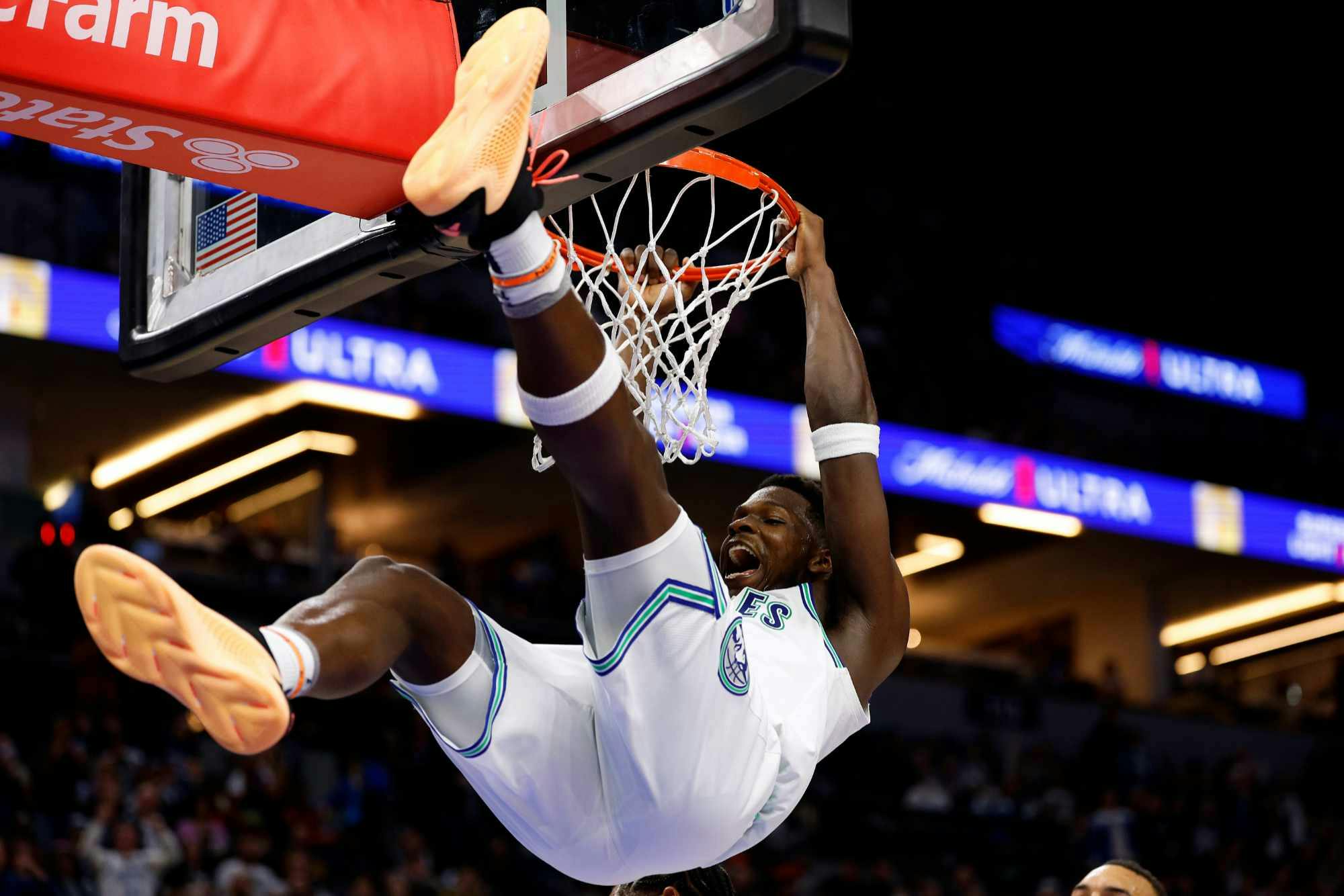
Looking at today's landscape, it's clear that name, image, and likeness has completely shifted how brands interact with athletes. Ironically, the top two players in this year’s NBA Draft are Kansas shooting guard Darryn Peterson and BYU forward AJ Dybantsa. Peterson signed an NIL deal with Adidas while in high school, and Dybantsa signed with Nike as well. The biggest difference between these types of deals and those in the early 2000s is the presence of social media. Where it was rare back in the early 2000s for a blue-chip high school athlete to have a documentary, players like Peterson and Dybantsa have player-focused content and followings that the brand leverages. Blue-chip college prospects like the Petersons and Dybantsa’s of the world don’t typically stay in college for four years; they are one year at that school and declare for the draft.
Early Exposure Doesn’t Always Mean Ownership
In essence, what makes today’s sneaker partnerships unique isn’t just timing; it’s leverage. Earlier deals give brands access to athletes’ audiences before they ever reach the NBA, but they don’t always guarantee athletes equity in the value they help create. As apparel companies continue to identify talent earlier, the next evolution of these partnerships may depend on whether players receive long-term equity in addition to early visibility.
The Next Step: Equity in the Sneaker Economy
As this evolution continues, apparel brands now expand their presence earlier in athletes’ careers through NIL partnerships, recruiting pipelines, and major campus sponsorship agreements, such as Adidas’ upcoming deals with Tennessee and Penn State. The entire structure of these relationships must evolve. With NIL, it becomes a proverbial arms race for sneaker companies to sign the best talent the earliest; however, in addition to identifying that talent early and neutering it, athletes should advocate for themselves to receive long-term residual or equity-based incentives that reflect the cultural and commercial value they help build.
Sincerely,
Ray Saturn
WORKS REFERENCED
Boyce, T. D. (2021). Sneakers, corporate attitudes, and the Black Lives Matter movement: An interview with sneaker expert Sean Williams. Fashion, Style & Popular Culture, 8(1), 117–123. https://doi.org/10.1386/fspc_00069_7
Fasanella, A. (2024, January 22). Former NBA star Sebastian Telfair recounts losing $20 million deal with Adidas. Yahoo Lifestyle. https://www.yahoo.com/lifestyle/former-nba-star-sebastian-telfair-172947138.html