

IS JUNETEENTH FOR THE ENTIRE DIASPORA?
With Juneteenth approaching, many Black families are preparing their cookouts, refreshing their line dancing skills, and celebrating the beauty of being Black. Since Juneteenth only became a federal holiday in 2021, celebrations have continued to grow, along with conversations about what those celebrations should look like. I recently came across a TikTok discussing how, because Juneteenth is not a celebration of the entire African diaspora, Juneteenth celebrations should focus specifically on the Black American experience rather than incorporating all aspects of the diaspora, such as Afrobeats music or foods like jollof rice. It made me think about how important cultural distinctions are when celebrating holidays like Juneteenth. As someone who has lived in multiple countries, I believe everyone should acknowledge the significance of Juneteenth and celebrate the freedom of enslaved people in America. Many of our ancestors had homelands throughout Africa and the Caribbean, so it is important for people from those cultural backgrounds to recognize the power and significance of this day. However, Juneteenth should primarily emphasize the history, contributions, and triumphs of Black Americans and the role they have played within the United States despite having countless obstacles placed in their path.
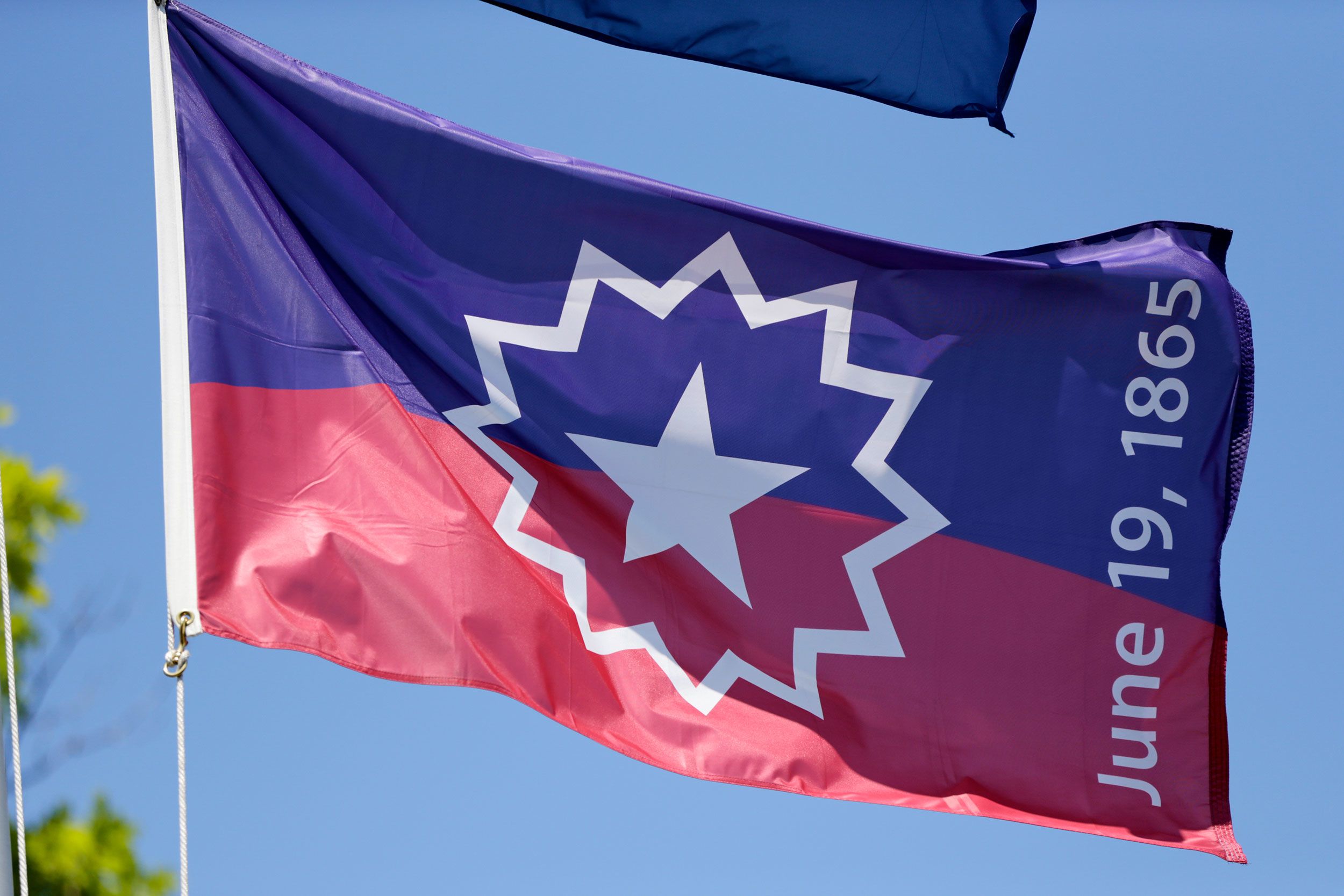 For decades, the Fourth of July has been recognized as America's celebration of freedom, commemorating the adoption of the Declaration of Independence on July 4, 1776, when the colonies formally declared their separation from Great Britain (“What to know about Fourth of July holiday origins and traditions”). The holiday has long been associated with fireworks, food, fellowship, and gathering with loved ones. Even one of the nation's Founding Fathers, John Adams, envisioned the day being celebrated with "Pomp and Parade" and festivities that would continue for generations (“Letter from John Adams to Abigail Adams, 3 July 1776, "Had a Declaration..."”). Yet while Americans celebrated independence year after year, Black Americans continued to fight for recognition, freedom, and inclusion. The reality remains that Black Americans were not free when the Declaration of Independence was signed. Even after the Emancipation Proclamation was issued in 1863, freedom did not immediately reach all enslaved people. On June 19, 1865, more than two years later, Union Major General Gordon Granger arrived in Galveston, Texas, and announced General Order No. 3, informing enslaved people that they were free (“The Historical Legacy of Juneteenth”). That day became Juneteenth, an acknowledgement of a freedom that had long been delayed for Black Americans. In many ways, Juneteenth celebrations mirror those of the Fourth of July through community gatherings, music, food, and fellowship. The difference is that Juneteenth centers an experience that was historically excluded from America's narrative of freedom.

Across the country, Black people come together through festivals, live music, line dancing, family reunions, and community events. We bring our creativity, joy, and traditions into these celebrations and honor the rich culinary traditions of African Americans in the South through soul food. For many African Americans, Juneteenth is one of the few holidays that specifically celebrates the uniqueness of their experiences among people who understand and share them. Because of the unique origins of Juneteenth, it is important to maintain an appreciation for African American culture rather than treating the holiday as a broad celebration of the entire diaspora. Traditions found within African and Caribbean cultures, such as listening to Afrobeats, drumming, or eating foods like jerk chicken, jollof rice, and saltfish, are deeply connected to the histories and migration experiences of those communities. Those traditions deserve celebration, but they tell very different stories. The existence of diverse cultural identities is precisely why Juneteenth matters. African Americans have a unique history shaped by enslavement, reconstruction, segregation, and the Civil Rights Movement. The story of enduring oppression while continuing to build community and opportunity deserves a day dedicated to honoring that experience.

The Black experience is certainly not a monolith. Our people stretch across continents, nations, and cultures. Holidays like Juneteenth serve as a reminder of just how vast our experiences truly are. While Black British, Afro Caribbean, East African, and other members of the diaspora are undeniably part of the broader Black community, it is okay for Juneteenth to place African Americans at the forefront. This is not divisive; rather, it reflects the beauty of recognizing the different histories that exist within our shared identity. Black people in America have persevered through enslavement, lynchings, police brutality, and the microaggressions that continue to exist today through intentional resistance. Traditions like Juneteenth provide a way for us to see one another, affirm one another, and recognize that we belong here. So as you reflect on what Juneteenth means to you, it is impossible to do so without also reflecting on what it means not only to be Black, but to be Black in the United States of America.
Sincerely,
Sunny Teagues
Film Maker, Creative Writer
Works Cited
Dennis-Brown, Treshauxn. “Juneteenth Through the Eyes of an Immigrant.” Scale Justice, https://www.connectingjusticecommunities.com/juneteenth-through-the-eyes-of-an-immigrant/2021/06/.
“The Historical Legacy of Juneteenth.” National Museum of African American History and Culture, https://nmaahc.si.edu/explore/stories/historical-legacy-juneteenth. Accessed 12 June 2026.
“Letter from John Adams to Abigail Adams, 3 July 1776, "Had a Declaration..."” Massachusetts Historical Society, https://www.masshist.org/digitaladams/archive/doc?id=L17760703jasecond. Accessed 12 June 2026.
Nix, Elizabeth, et al. “What Is Juneteenth? | HISTORY.” History.com, https://www.history.com/articles/what-is-juneteenth. Accessed 12 June 2026.
“WhaWhat t to know about Fourth of July holiday origins and traditions.” PBS, 4 July 2025, https://www.pbs.org/newshour/nation/what-to-know-about-fourth-of-july-holiday-origins-and-traditions. Accessed 12 June 2026.