

BEYOND THE MASK: RECLAIMING BLACK LOVE
For Black people, masculinity and femininity have been shaped less by choice and more by history, evolving in ways distinct from other racial groups. The legacy of slavery, followed by generations of racial stereotyping have forced Black women and men into performing versions of themselves that feel acceptable to society. These performances don’t disappear in romantic relationships; instead, they shape how Black partners love, communicate, and protect themselves. When such expectations go unexamined, they introduce tension, turning intimacy into performance rather than genuine connection. Black men have historically been pushed into rigid forms of masculinity rooted in labor, dominance, and emotional restraint, while Black women have often been denied femininity altogether, labeled as strong or aggressive and excluded from softness and care. When relationships become about performance there is no room for rest, and intimacy inevitably suffers. For Black relationships to truly thrive, there must be a collective unlearning of these imposed roles and the intentional creation of spaces where Black love can exist without performance.

Masculinity has long been forced onto Black men, dating back to enslavement when labor was divided by gender and men were assigned the most physically demanding work. Today, that forced masculinity is reinforced through harmful media portrayals that associate Black men with aggression, as well as statistics of victimization in low income communities. “Black men and boys in the U.S. disproportionately experience acts of violence and are at increased risk of victimization compared to their racial counterparts” (Mason and Carroll). Such repeated direct and vicarious experiences of victimization inflict significant psychological harm on Black men and boys. Without a doubt, the disparities in violent victimization and the constant expectation to be “tough” lead Black men to take on a masculine role, especially in relationships. They are taught that they cannot have an off day, that they must always provide, and that they must overwork their bodies for their partners. However, hypermasculinity can be harmful, particularly in relationships with femmes. Femininity is often associated with empathy, care, and emotional attentiveness, qualities that are frequently devalued as softness rather than strength. In relationships, many women want to feel cared for, heard, and emotionally safe, which can be missing when an overtly masculine man is only focused on maintaining his masculine role through labor and provision while neglecting his emotional needs. This imbalance can create tension and disconnection within relationships. For Black men to feel comfortable letting their guard down, they must acknowledge the power in allowing feminine energy to exist in their lives. Whether through nurturing themselves and others, listening before reacting, or making space for creativity, traits culturally labeled as “feminine” can help Black men cultivate a deeper appreciation for the world around them. In turn, this allows them to better appreciate the femmes in their lives by relating to them, listening to them, and moving away from a constant state of fight or flight that prevents emotional presence within relationships.
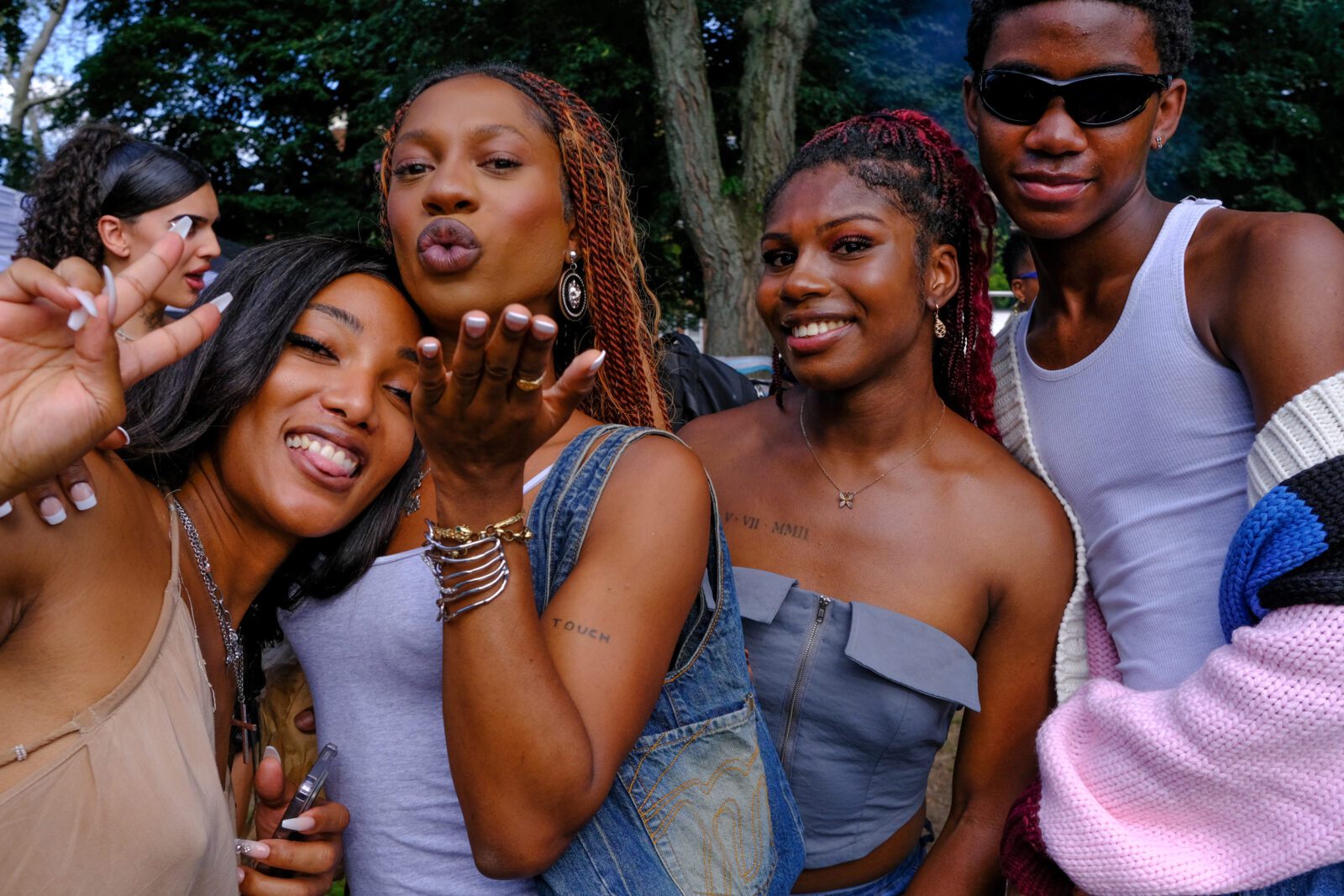
Femininity, however, has historically been denied to Black women through dehumanization and harmful tropes. Adjectives such as strong, angry, and assertive have long been used to define Black womanhood, creating stereotypes that often conflict with how many Black women see themselves. Black women’s femininity was frequently shaped through the white gaze, which framed their bodies in terms of usefulness rather than humanity. In order to survive and prevent further abuse during enslavement, Black women were forced to “endure hardship without complaint, [and] nurture their families despite being denied basic human dignity” (“Reclaiming Black Femininity”). These survival tactics stripped Black women of vulnerability and reinforced expectations of emotional self sufficiency, giving rise to the “strong Black woman” narrative that endures today. Even within Black communities, these stereotypes have persisted and caused harm. Black women are sometimes labeled by Black men as aggressive, difficult, or undesirable, reinforcing the idea that their femininity is something to be tolerated rather than cherished. These perceptions can negatively shape same-race dating dynamics, sometimes prompting Black women to seek relationships outside their race in pursuit of the emotional safety and affirmation they may not always receive within their own communities.

In the modern day, many Black women are reclaiming their right to femininity and to live soft, emotionally fulfilled lives. Because of a history rooted in forced strength, Black women often value spaces where their femininity is affirmed, particularly within romantic relationships. Partners who bring warmth, emotional sensitivity, and softness into relationships create environments where Black women feel safe enough to do the same. Vulnerability is essential in relationships between Black men and Black femmes, but it can only exist when both parties actively reject the societal expectations that have limited how they are allowed to express themselves.
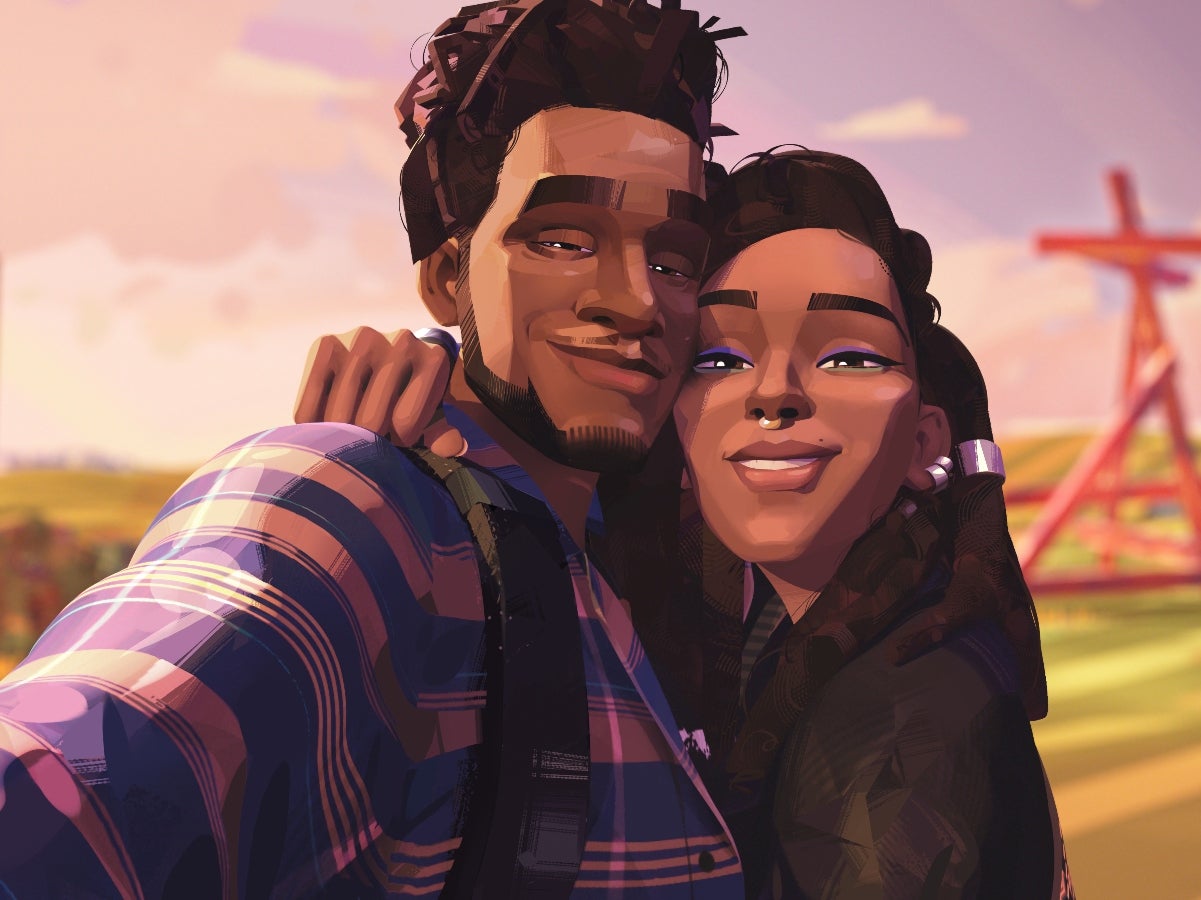
The roles imposed on Black men and Black women have long created tension within their relationships, not because of a lack of love, but because both partners are subconsciously focused on maintaining the roles they were taught to survive. When Black men feel pressured to remain emotionally guarded providers and Black women feel obligated to embody unbreakable strength, intimacy becomes secondary to performance. These rigid expectations leave little room for softness, rest, or mutual care, causing partners to miss one another emotionally even while sharing space. True balance in these relationships requires moving away from imposed roles and toward a shared understanding of emotional reciprocity. Masculinity and femininity do not have to exist in opposition, but instead can blend in ways that allow both partners to feel seen, supported, and valued. When Black men are free to express vulnerability and Black women are free to release constant strength, relationships become spaces of healing rather than survival. This balance is not a loss of identity, but a reclamation of it, allowing Black love to exist fully, tenderly, and without constraint.
Sincerely,
Zaliyah Emmanuel
Documentary Filmmaking, BA
Works Cited
Hallam, Jennifer. “Men, Women, & Gender.” Slavery and the Making of America . The Slave Experience: Men, Women & Gender | PBS, https://www.thirteen.org/wnet/slavery/experience/gender/history.html. Accessed 28 January 2026.
Mason, Joshua, and Linda Caroll. “Black Masculinity in the Face of Physical Challenges | Spark Magazine.” Medium, 24 June 2024, https://medium.com/spark/black-manhood-in-the-face-of-physical-challenges-37b551c28134. Accessed 29 January 2026.
“Reclaiming Black Femininity.” The Bay State Banner, 8 January 2025, https://baystatebanner.com/2025/01/08/reclaiming-black-femininity/.
Villorejo, Lorraine. “Why Women Prefer Feminine Men | Cebu Women | Medium.” Lorraine Villorejo, 11 April 2023, https://cebuwomen.medium.com/women-prefer-feminine-men-82167febd5b7. Accessed 29 January 2026.